






Creating a home office that feels both cozy and functional is key to enjoying your workday and staying productive. Whether you work remotely full-time or occasionally take work home, a well-designed workspace can make a big difference in your focus and comfort. In this post, we’ll explore practical tips and ideas to help you transform any room or corner into a pleasant and efficient office space.
Why a Cozy and Functional Home Office Matters
Working from home presents unique challenges. Without a dedicated space, distractions can creep in, and the line between work and relaxation may blur. A cozy home office can help you feel motivated and at ease, while functionality ensures you stay organized and efficient. Together, these qualities promote better focus, reduce stress, and improve overall work quality.
Choosing the Right Location
Assess Your Space
Begin by evaluating areas of your home that could serve as your office. Popular spots include spare bedrooms, a quiet nook, or a section of the living room. Look for a location with:
– Good natural lighting
– Minimal noise and distractions
– Enough space for your equipment and storage
If space is limited, consider multi-purpose furniture or portable solutions.
Consider Privacy and Separation
Try to pick a spot that offers some separation from household traffic. This separation helps you mentally switch into “work mode” and minimizes interruptions.
Prioritize Comfortable Furniture
Invest in an Ergonomic Chair
Your chair is one of the most important pieces of furniture in your home office. Choose a chair that supports your back well and is adjustable to your height to prevent discomfort during long hours.
Select a Suitable Desk
Pick a desk that matches your work habits. If you use multiple monitors or need writing space, ensure the desk surface is large enough. Standing desks or adjustable desks are good options if you want flexibility to alternate between sitting and standing.
Optimize Lighting
Make Use of Natural Light
Natural light boosts mood and reduces eye strain. Position your desk near a window when possible, but avoid direct glare on your screen.
Add Task Lighting
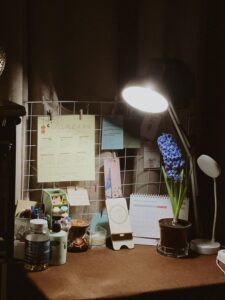
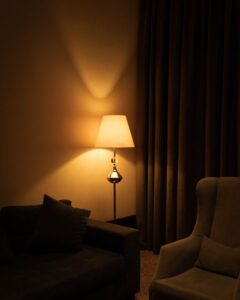
Complement natural light with adjustable desk lamps or floor lamps. Soft, warm bulbs create a cozy atmosphere and help you maintain productivity during darker hours.
Organize with Purpose
Declutter Regularly
A tidy workspace clears your mind and reduces distractions. Set aside a few minutes each day to organize your desk and remove unnecessary items.
Use Storage Solutions
Incorporate shelves, filing cabinets, or storage baskets to keep documents and supplies organized and easy to find. Vertical storage maximizes space and keeps your workspace neat.
Cable Management
Tidy up cords using cable clips, sleeves, or under-desk trays. This prevents tangling and maintains a clean look.
Personalize Your Space
Adding personal touches can make your office more inviting and boost motivation.
– Decorate with plants, which add color and improve air quality.
– Hang artwork or photos that inspire you.
– Use cozy accessories like cushions or rugs to soften the space.
Incorporate Technology Wisely
Choose technology that supports your workflow without cluttering your space.
– Use wireless devices where possible.
– Position your monitor(s) at eye level to reduce neck strain.
– Consider noise-canceling headphones to block distractions.
Maintain a Balanced Environment
Control Temperature and Air Quality
Ensure your workspace stays comfortable year-round. Use fans, heaters, or air purifiers if needed to maintain fresh air and a pleasant temperature.
Create Boundaries
Set clear work hours to avoid burnout. When your day ends, step away from your office space if possible to mentally switch off.
Design Tips for Small Spaces
If you work in a compact area, try these ideas:
– Use light colors to open up the room visually.
– Choose foldable or multi-functional furniture.
– Use mirrors to reflect light and create the illusion of space.
– Keep your desk essentials minimal to reduce clutter.
Final Thoughts
Designing a cozy and functional home office is about balancing comfort with practicality. Focus on good lighting, ergonomic furniture, organization, and personal touches to create a space that supports your best work. Remember, your home office should inspire productivity while making you feel relaxed and happy to be there. With these tips, you’ll be well on your way to crafting a workspace that truly works for you.


More Stories
Tips for Creating a Cozy and Inviting Home Office Space
Tips for Creating a Cozy and Productive Home Office Space
Tips for Creating a Relaxing Home Office Environment to Boost Productivity