






Creating a home office that is both cozy and productive can transform the way you work from home. Whether you are a full-time remote worker, freelancer, or just need a dedicated space for focused tasks, having the right environment is key. In this guide, we’ll share practical tips to help you design a workspace that supports your productivity while also feeling comfortable and inviting.
Why a Cozy and Productive Home Office Matters
Working from home comes with its unique challenges, including distractions and a lack of separation between work and personal life. A well-designed home office can help you stay on task and maintain a healthy work-life balance. When you enjoy your workspace, it becomes easier to focus and complete tasks efficiently.
1. Choose the Right Location
The first step is picking a quiet, low-traffic area of your home for your office. This could be a spare bedroom, a corner of your living room, or even a converted closet. Ideally, select a spot with natural light and enough space for your desk and equipment.
Tips for choosing your spot:
– Avoid high-traffic areas that cause distractions.
– Ensure easy access to electrical outlets.
– Consider the temperature and ventilation for comfort.
2. Invest in Comfortable Furniture
Your furniture choices impact both your comfort and productivity. An ergonomic chair and a desk at the right height can prevent strain and discomfort during long work sessions.
What to look for:
– Ergonomic chair: Adjustable height, lumbar support, and breathable fabric.
– Desk: Large enough to hold your computer, paperwork, and office supplies.
– Additional seating: A small side chair or sofa can be nice for breaks or informal meetings.
3. Optimize Lighting
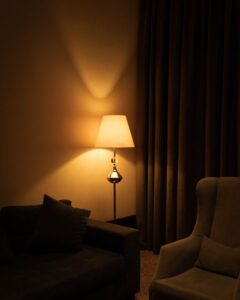
Good lighting reduces eye strain and boosts your mood. Natural light is the best option, so arrange your desk near windows if possible. Supplement natural light with adjustable desk lamps or overhead lighting.
Lighting tips:
– Use soft, warm light bulbs rather than harsh, bright white bulbs.
– Avoid glare on screens by adjusting the angle of windows or using blinds.
– Consider a daylight lamp if your space lacks natural sunlight.
4. Keep It Organized and Clutter-Free
A tidy workspace helps you stay focused and reduces stress. Use smart storage solutions to keep your desk surface clear.
Organization ideas:
– Shelves or filing cabinets for documents and books.
– Drawer organizers for office supplies.
– Use cable management tools to tidy cords and chargers.
– Consider a bulletin board or whiteboard for reminders and notes.
5. Personalize Your Space
Adding personal touches makes your office more inviting. Incorporate items that inspire and motivate you without overwhelming the space.
Ways to personalize:
– Display photos of family, friends, or nature scenes.
– Add plants to bring life and improve air quality.
– Use artwork or quotes that reflect your style and goals.
– Choose a color scheme that feels calming or energizing, depending on your preference.
6. Minimize Distractions
Reducing distractions helps maintain productivity. Be mindful of noise, visual clutter, and digital interruptions.
Strategy to reduce distractions:
– Use noise-canceling headphones or a white noise machine if noise is a problem.
– Set boundaries with family or housemates during work hours.
– Keep your phone on silent or use productivity apps to limit notifications.
7. Incorporate Technology Thoughtfully
Technology is essential but can also create clutter or frustration if not managed well. Choose devices that suit your needs and keep them organized.
Tips for tech setup:
– Use a laptop or monitor stand to keep screens at eye level.
– Invest in wireless peripherals like keyboards and mice to reduce cables.
– Regularly update software to avoid technical issues.
– Backup work frequently to prevent data loss.
8. Schedule Breaks and Movement
Even the best workspace can’t fix fatigue. Plan breaks throughout your day to stretch, walk around, or relax briefly.
Break ideas:
– Take short 5-minute breaks every hour.
– Try simple desk exercises or stretches.
– Step outside for fresh air when possible.
– Use break time to hydrate and eat healthy snacks.
9. Keep It Flexible
Your needs may change over time, so having a flexible setup is valuable. Use movable furniture or modular organizers so you can adjust your environment as needed.
Flexible office tips:
– Consider adjustable desks that let you switch between sitting and standing.
– Use carts or rolling drawers to move supplies easily.
– Keep some open space for creative activities or meetings.
Final Thoughts
Creating a cozy and productive home office doesn’t require a major overhaul. With thoughtful choices around location, furniture, lighting, and organization, you can build a space that supports your work and well-being. Remember to personalize your office and keep it adaptable to maintain comfort and motivation. A dedicated workspace that feels good will help you bring your best to every task.
By applying these tips, your home office can become a welcoming and efficient place where productivity meets comfort. Start small, make gradual improvements, and enjoy the benefits of a well-designed workspace at home.



More Stories
Tips for Creating a Cozy and Inviting Home Office Space
Tips for Creating a Cozy and Functional Home Office Space
Tips for Creating a Relaxing Home Office Environment to Boost Productivity