





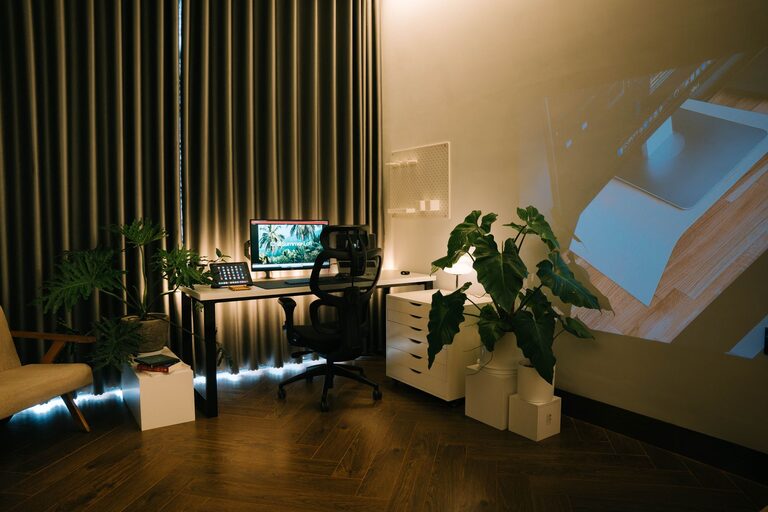
Creating a home office that feels relaxing and welcoming is key to maintaining focus and staying productive during long work hours. A space that balances comfort with functionality can reduce stress, increase motivation, and make work more enjoyable. Whether you’re working remotely full-time or just need a dedicated space for occasional tasks, these tips can help you design a home office environment tailored for both productivity and comfort.
Choose the Right Location
The foundation of a relaxing home office is its location within your home. Ideally, select a quiet spot that experiences minimal distractions throughout the day.
– Natural light: Aim to position your desk near a window to benefit from natural sunlight. Bright light helps regulate your rhythm and boosts mood.
– Privacy: Find a space away from heavy foot traffic if possible. This helps minimize interruptions and allows for better focus.
– Ventilation: Good airflow is essential for comfort. If your office lacks vents or windows, consider a small air purifier or fan to maintain fresh air.
Invest in Ergonomic Furniture
Comfortable furniture designed with ergonomics in mind supports long hours of work without strain.
– Adjustable chair: Look for a chair with lumbar support and adjustable height to keep your spine aligned.
– Desk height: Your desk should allow your arms to rest comfortably at a 90-degree angle while typing.
– Standing desk options: Consider a sit-stand desk to alternate positions and reduce fatigue.
Ergonomic furniture enhances posture and reduces the risk of discomfort, helping you stay productive longer.
Create an Organized Workspace
A clutter-free workspace promotes a calm mind and efficient work habits.
– Declutter regularly: Clear your desk of unnecessary items each day to keep your focus sharp.
– Storage solutions: Use shelves, drawers, or filing cabinets to keep supplies organized and out of sight.
– Cable management: Use clips or cable ties to prevent wires from tangling and adding visual noise.
Keeping your workspace tidy also reduces anxiety and helps you find what you need without wasting time.
Incorporate Soothing Colors and Decor
Colors and decor can influence your mood and productivity more than you might expect.
– Soft, neutral tones: Shades like light blues, greens, and beige create a calming atmosphere.
– Personal touches: Add photos, artwork, or plants that inspire you without overwhelming the space.
– Minimalist design: Avoid overcrowding your office with too many decorative items to maintain a peaceful vibe.
A well-designed space can enhance creativity and reduce stress throughout your day.
Optimize Lighting for Comfort
Lighting plays a significant role in reducing eye strain and maintaining alertness.
– Use layered lighting: Combine natural light with overhead lights and task lamps to illuminate your workspace evenly.
– Adjust brightness: Choose bulbs that mimic daylight and allow you to adjust brightness levels.
– Avoid glare: Position screens and lights to avoid reflections or harsh glare on your computer monitor.
Proper lighting keeps your eyes comfortable and helps you maintain focus.
Add Elements That Promote Relaxation
Integrating small elements that encourage relaxation can improve your mental well-being during work hours.
– Indoor plants: Plants improve air quality and add a touch of nature, which can lower stress.
– Aromatherapy: Using essential oil diffusers with calming scents like lavender or eucalyptus can enhance your mood.
– Sound control: Consider soft background music or white noise machines to block distracting sounds.
These simple additions can help transform your office into a soothing retreat.
Set Boundaries and Routine
A relaxing environment is not just physical—it also depends on your habits.
– Work hours: Set clear working hours to separate work life from personal time.
– Regular breaks: Use timers to remind yourself to take short breaks and stretch.
– Designate ‘off’ zones: When your workday ends, leave the workspace to mentally disconnect.
Creating structured routines helps sustain comfort and productivity throughout your day.
Keep Technology Efficient and Ergonomic
Technology is a core part of any home office, so ensure your setup supports comfort.
– Ergonomic keyboard and mouse: These reduce wrist strain and enhance comfort during typing.
– Monitor height: Position your monitor at eye level to avoid neck pain.
– Reliable internet: A fast, stable connection prevents frustration and interruptions.
An efficient tech setup removes distractions and supports smooth, comfortable work.
—
By combining thoughtful design, smart organization, and healthy habits, you can create a relaxing home office that boosts your productivity and comfort. Small changes in your workspace can make a big difference in your overall work experience, helping you stay focused, motivated, and stress-free. Take the time to personalize your space, and enjoy the balance of work and relaxation it offers.



More Stories
Tips for Creating a Cozy and Inviting Home Office Space
Tips for Creating a Cozy and Productive Home Office Space
Tips for Creating a Cozy and Functional Home Office Space